Book Appointment Now
A Targeted, Needle-Based Technique to Support Muscle Function & Trigger Point Relief
IMS Therapy & Dry Needling in Edmonton
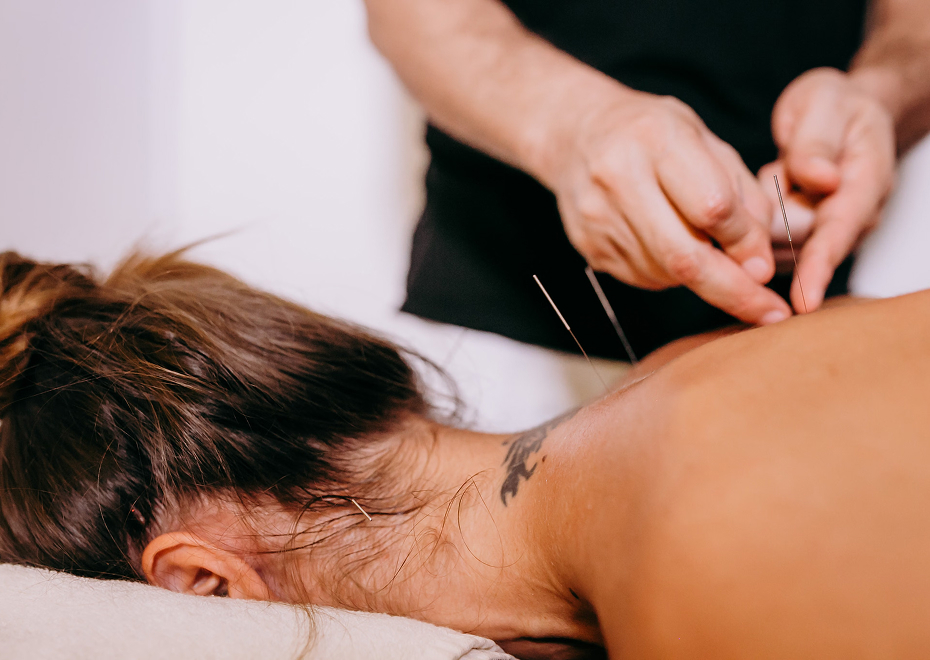
At Millwoods Physical Therapy Centre, our registered physiotherapists use Intramuscular Stimulation (IMS) and dry needling to work with muscle trigger points and areas of tension. This technique involves inserting thin, sterile needles into specific points within the muscle to help address tightness and support muscle function, and is often used as part of a broader physiotherapy treatment plan.
0
Years
Providing Physiotherapy Services Edmonton
0
Registered Physiotherapist
on Staff
0
Patients Treated
at Millwoods Physical therapy Center
What is IMS / Dry Needling?
Dry needling, sometimes referred to as Intramuscular Stimulation (IMS), is a technique used by registered physiotherapists to work with muscle pain and dysfunction. It involves inserting thin, sterile needles into specific trigger points — areas of tight, contracted muscle tissue — with the goal of stimulating the point to help reduce tension and support normal muscle function. Dry needling is distinct from acupuncture: while both use similar needles, dry needling is grounded in Western musculoskeletal assessment and targets specific muscle tissue, rather than the energy-flow framework used in Traditional Chinese Medicine.
Trigger Point & Muscle Tension
Dry needling targets specific trigger points within the muscle, aiming to reduce localized tightness and discomfort.
Muscle Function & Mobility
By addressing areas of muscle restriction, dry needling may support more comfortable movement and range of motion.
Circulation to the Treated Area
Needle insertion is intended to increase blood flow to the treated muscle, which may support the body’s recovery process.
Complementary to Physiotherapy
Dry needling is often used alongside manual therapy and exercise-based rehabilitation as part of a broader treatment plan.

How Dry Needling Works
Dry needling targets specific trigger points, or tight bands of muscle, associated with pain and dysfunction. Thin needles are inserted into these points, which may create a brief “twitch” response in the muscle. This response is intended to support the release of muscle tightness. The needle insertion is also intended to increase blood flow to the area, which may support the body’s natural recovery process as muscles respond to treatment over time.
Patient Experiences & Recovery Stories
Your recovery journey is our top priority. Discover how our personalized, hands-on treatment plans have supported our patients through chronic pain management, sports injury rehabilitation, and improving daily mobility.vibrant, pain-free life.
Christina Scriba
5.0
All of the staff at Millwoods Physical Therapy Centre are terrific. Right from the very beginning, you are greeted with warmth and kindness. All of the staff are very friendly and courteous. Always happy to help you no matter what you need.
Kulbir Dhillon
5.0
I had a great experience! Rajni Sharma was professional, welcoming, and made me feel comfortable from the moment I arrived. She really took the time to address my problem areas and tailored the treatment to what I needed.
Hajar Ghalab
5.0
I cannot say enough good things about Millwood Physical Therapy Center! The staff is absolutely fantastic, and they create an incredibly calm, grounding environment from the moment you walk in.
Frequently Asked Questions About IMS / Dry Needling
Intramuscular Stimulation (IMS) and dry needling can be effective tools for relieving muscle trigger points and restoring mobility. Browse our frequently asked questions below to learn how dry needling differs from acupuncture, how many sessions you may need, and how we integrate this technique into your broader physiotherapy plan.
How is dry needling different from acupuncture?
Both techniques use thin needles, but they differ in purpose and approach. Dry needling is grounded in Western musculoskeletal assessment and focuses on releasing trigger points and tight muscle tissue, often as part of a physiotherapy plan. Acupuncture is based on Traditional Chinese Medicine and focuses on the body’s energy pathways (Qi). We offer both techniques at Millwoods and can discuss which may align with your goals.
Is dry needling covered by health insurance?
Dry needling is often included under extended health plans when performed by a registered physiotherapist, typically falling under physiotherapy coverage. We offer direct billing to a number of major providers, including Alberta Blue Cross, Sun Life, Manulife, Great-West Life, Johnston Group, and Desjardins. Bring your insurance details to your first visit and our team can help confirm your coverage.
Does dry needling hurt?
You may feel a brief pinch or twitch in the muscle during treatment, which is a normal and expected response. Some people describe a short, deep ache or muscle-cramp-like sensation. Temporary soreness or heaviness in the area for a day or two afterward is common, similar to the feeling after a deep workout or massage. Your physiotherapist checks in throughout the session and adjusts the approach based on your comfort.
How do I know if dry needling is a suitable option for me?
Dry needling is often considered for concerns such as neck and shoulder tension, low back pain, headaches, tendonitis, and sports-related injuries. At your first visit, your physiotherapist will assess your condition and discuss your goals to help determine whether dry needling fits your treatment plan — often alongside other physiotherapy techniques.
How many dry needling sessions will I need?
This depends on your condition and how your muscles respond to treatment. Your physiotherapist will discuss an approach with you after your initial assessment and adjust the plan as needed.
Is dry needling safe?
Dry needling is a regulated technique performed only by registered physiotherapists trained in the procedure. Your physiotherapist will review your health history beforehand to confirm it’s an appropriate option for your situation.
Can dry needling be combined with massage therapy or other treatments?
Yes. Dry needling is often used alongside manual therapy, exercise-based rehabilitation, and massage therapy as part of a broader treatment plan. Your physiotherapist can help coordinate care across services offered at our clinic.
Direct Billing is available for most insurance companies
We offer direct billing to most major insurance providers to simplify the process for our patients.