Book Appointment Now

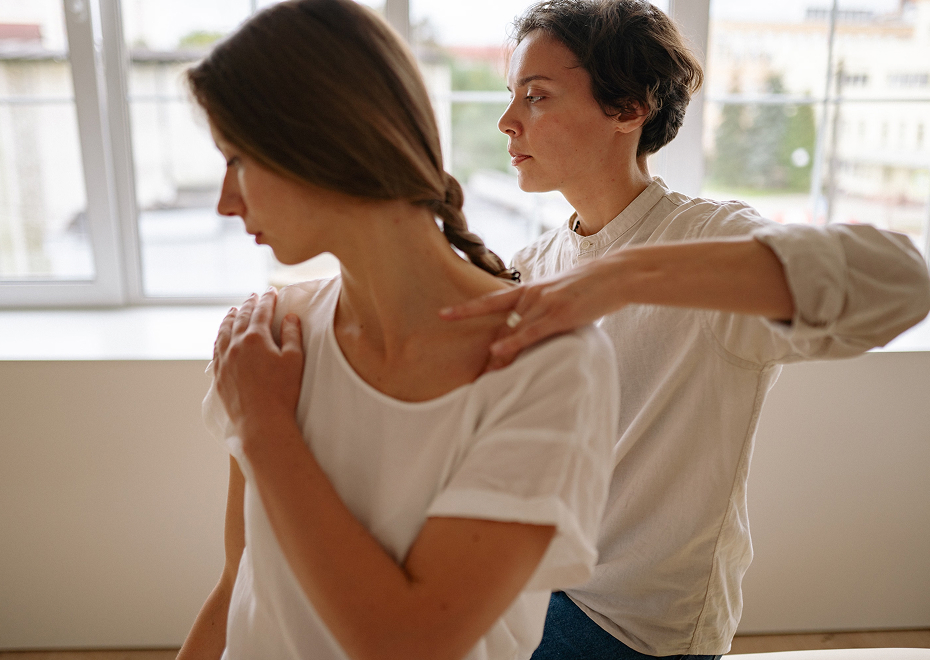
Assessment-Based Care for Dizziness, Balance & Post-Concussion Symptoms
Vestibular & Concussion Rehabilitation in Edmonton
At Millwoods Physical Therapy Centre, our registered physiotherapists provide vestibular rehabilitation and concussion therapy for individuals managing dizziness, balance concerns, or symptoms following a concussion. Care begins with a detailed assessment of your symptoms and function, followed by a treatment plan built around your specific condition and daily needs.
0
Years
Providing Physiotherapy Services Edmonton
0
Registered Physiotherapist
on Staff
0
Patients Treated
at Millwoods Physical therapy Center
What is Vestibular Therapy?
Vestibular therapy is a form of physiotherapy directed at balance and dizziness concerns caused by issues within the inner ear or vestibular system — the system that helps control balance, spatial orientation, and eye movements. When this system is affected, it can contribute to symptoms such as vertigo, dizziness, lightheadedness, or difficulty with coordination. Treatment typically involves a series of targeted exercises, including head and eye movement exercises, balance training, and habituation techniques, aimed at supporting the vestibular system’s function and helping the brain process signals from the inner ear.
Symptoms Associated with Vestibular Disorders
- Vertigo (a sense of spinning)
- General dizziness or lightheadedness
- Nausea, vomiting, or fatigue
- Stiff neck
- Imbalance or difficulty walking
- Headaches
- Frequent falls
- Vision changes
- Brain fog, difficulty concentrating, or mild memory changes
What is Concussion Therapy?
A concussion is a brain injury that can occur from a direct blow to the head or a rapid movement change, such as whiplash. Concussion therapy is a treatment approach directed at managing the symptoms that can follow a concussion and supporting a structured return to daily activity. Our physiotherapists work with individuals experiencing concussion symptoms to assess function and build a plan that reflects their specific presentation and recovery timeline.
Symptoms Commonly Associated with Concussion
- Headaches
- Dizziness
- Difficulty with balance and coordination
- Nausea or vomiting
- Fatigue
- Sleep difficulty
- Blurred vision
- Sensitivity to light and sound
- Slurred speech
Vertigo & BPPV
Support for benign paroxysmal positional vertigo (BPPV) and general vertigo symptoms through targeted repositioning and habituation techniques.
Vestibular Neuritis & Hypofunction
Rehabilitation for vestibular neuritis, labyrinthitis, and unilateral vestibular hypofunction, focused on retraining balance and reducing dizziness-related limitations.
Vestibular Migraine & PPPD
Assessment-based care for vestibular migraine and persistent postural-perceptual dizziness (PPPD), often involving a combination of exercise and symptom-management strategies.
Cervicogenic Dizziness
Treatment addressing dizziness linked to neck dysfunction, combining manual therapy with vestibular rehabilitation techniques.
Post-Concussion Syndrome
Structured rehabilitation for ongoing symptoms following a concussion, including balance retraining and a graduated return-to-activity plan.
Ménière’s Disease
Support for managing dizziness and balance symptoms associated with Ménière’s disease, alongside your broader medical care team.
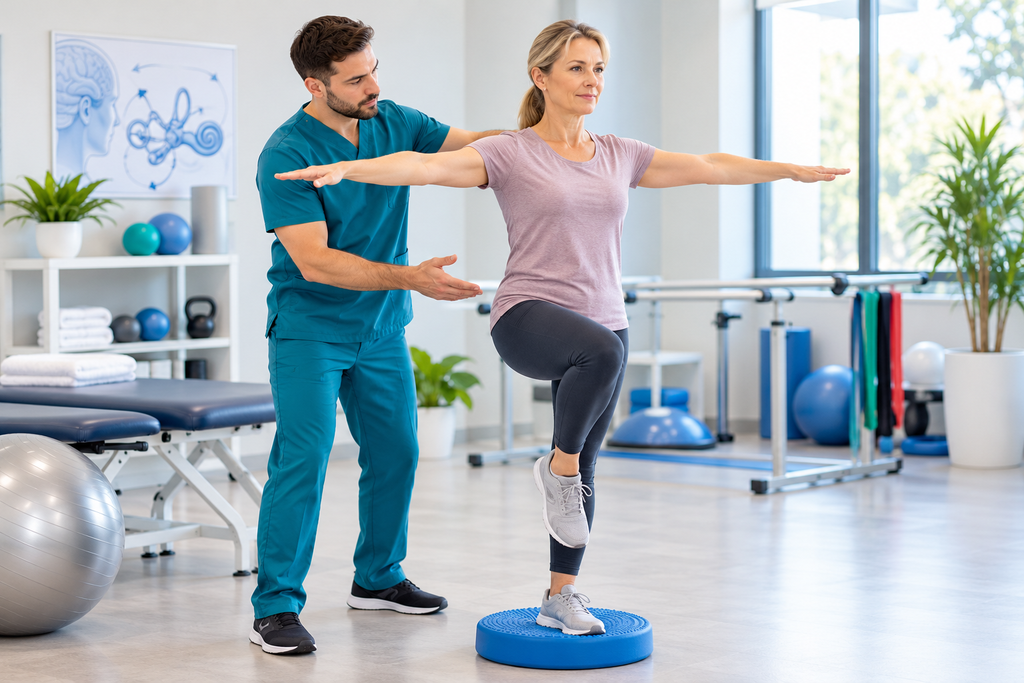
How Vestibular & Concussion Rehab Help
Depending on your condition, vestibular and concussion rehabilitation may support:
- Balance & Fall Risk: Exercises directed at improving stability and reducing fall risk.
- Dizziness Management: Habituation and repositioning techniques aimed at reducing the frequency or intensity of dizziness.
- Vision Stability: Techniques to support the eyes’ ability to remain stable during head movement.
- Strength & Mobility: A graduated exercise program to rebuild strength and confidence in movement.
- Neck Function: Manual therapy and exercise directed at neck mobility, particularly for cervicogenic dizziness or post-concussion neck involvement.
- Return to Daily Activity: A structured, graduated plan to support returning to work, sport, or daily routines at an appropriate pace.
Response to treatment varies by individual and condition, and your physiotherapist will discuss a realistic plan and timeline based on your specific presentation.
Patient Experiences & Recovery Stories
Your recovery journey is our top priority. Discover how our personalized, hands-on treatment plans have supported our patients through chronic pain management, sports injury rehabilitation, and improving daily mobility.vibrant, pain-free life.
Christina Scriba
5.0
All of the staff at Millwoods Physical Therapy Centre are terrific. Right from the very beginning, you are greeted with warmth and kindness. All of the staff are very friendly and courteous. Always happy to help you no matter what you need.
Kulbir Dhillon
5.0
I had a great experience! Rajni Sharma was professional, welcoming, and made me feel comfortable from the moment I arrived. She really took the time to address my problem areas and tailored the treatment to what I needed.
Hajar Ghalab
5.0
I cannot say enough good things about Millwood Physical Therapy Center! The staff is absolutely fantastic, and they create an incredibly calm, grounding environment from the moment you walk in.
Frequently Asked Questions About Vestibular & Concussion Rehab
Navigating balance disorders or post-concussion symptoms can feel overwhelming. Below are answers to the questions we hear most often about starting your treatment and recovery process.
Do I need a doctor’s referral for vestibular or concussion therapy?
A physician referral is not required for most physiotherapy services in Alberta, though some insurance plans may request one for reimbursement. If you’ve had a recent head injury, we recommend being assessed by a physician first to rule out any conditions requiring urgent medical attention, alongside starting physiotherapy-based rehabilitation.
How soon after a concussion should I start rehabilitation?
Timing depends on your symptoms and how you’re progressing. Some patients begin gentle, guided rehabilitation relatively early, while others need a period of rest first. Your physiotherapist can help determine appropriate timing based on your specific situation and any guidance from your physician.
How long does vestibular rehabilitation typically take?
This varies significantly based on the underlying condition, its severity, and individual response to treatment. Some conditions, such as BPPV, may respond within a few sessions, while others may take longer. Your physiotherapist will discuss an expected approach after your initial assessment.
Will I feel dizzy or nauseous during treatment?
Some vestibular exercises are designed to gradually expose the system to movement, which can bring on mild dizziness or nausea during or shortly after a session. Your physiotherapist monitors your response and adjusts the intensity of exercises to your tolerance.
Can I drive myself to a vestibular or concussion therapy appointment?
This depends on your current symptoms. If you’re experiencing significant dizziness, vision changes, or balance difficulty, arranging a ride for early appointments is a reasonable precaution. Your physiotherapist can advise you as your symptoms progress.
Is vestibular therapy only for older adults?
No. Vestibular and concussion rehabilitation is provided to patients across a range of ages, including athletes, children, and working adults, based on their specific symptoms and diagnosis rather than age alone.
What’s the difference between vestibular therapy and general physiotherapy?
Vestibular therapy focuses specifically on the inner ear and balance system, using specialized assessment and exercise techniques for dizziness and balance disorders. It may be provided on its own or combined with general physiotherapy when neck involvement, muscle weakness, or other physical concerns are also present.
Is vestibular or concussion therapy covered by insurance in Alberta?
Many extended health plans include coverage for physiotherapy services, which typically includes vestibular and concussion rehabilitation. We recommend checking with your provider for details specific to your plan.
Direct Billing is available for most insurance companies
We offer direct billing to most major insurance providers to simplify the process for our patients.